
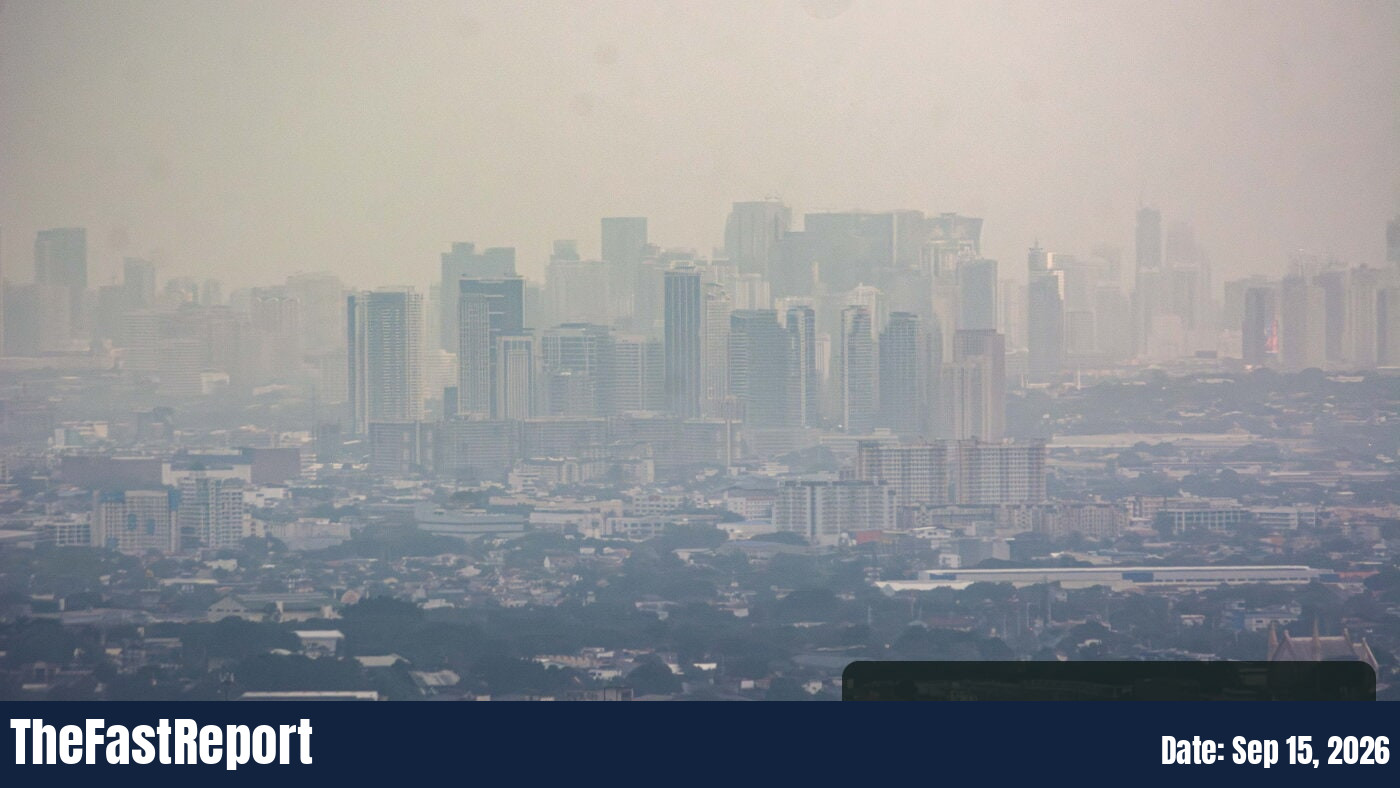
A recent study reveals that air pollution levels in multiple international cities spiked after the Trump administration ended a longstanding U.S. embassy air quality monitoring program in March 2025. The initiative, which started with a single monitor in Beijing in 2008, eventually expanded to over 80 diplomatic posts and helped drive public demand for cleaner air, especially in low- and middle-income nations. Researchers publishing in the journal PNAS examined satellite data across 46 cities and discovered that air pollution increased significantly about three to four months after the reporting stopped, averaging a rise of roughly 24 to 33 percent, which translates to a measurable increase in dangerous PM2.5 particulate matter. The steepest spikes occurred in Southeast Asian locations such as Manila, Rangoon, and Vientiane, particularly in areas lacking alternative monitoring infrastructure. While the exact mechanics remain unclear, experts suggest that removing the transparent third-party auditing mechanism may have emboldened industries to cut environmental compliance costs. Although pollution levels showed signs of dipping somewhat after their initial peak, researchers emphasize that public information remains crucial for maintaining accountability and ensuring long-term environmental health gains.
Source: npr.org