
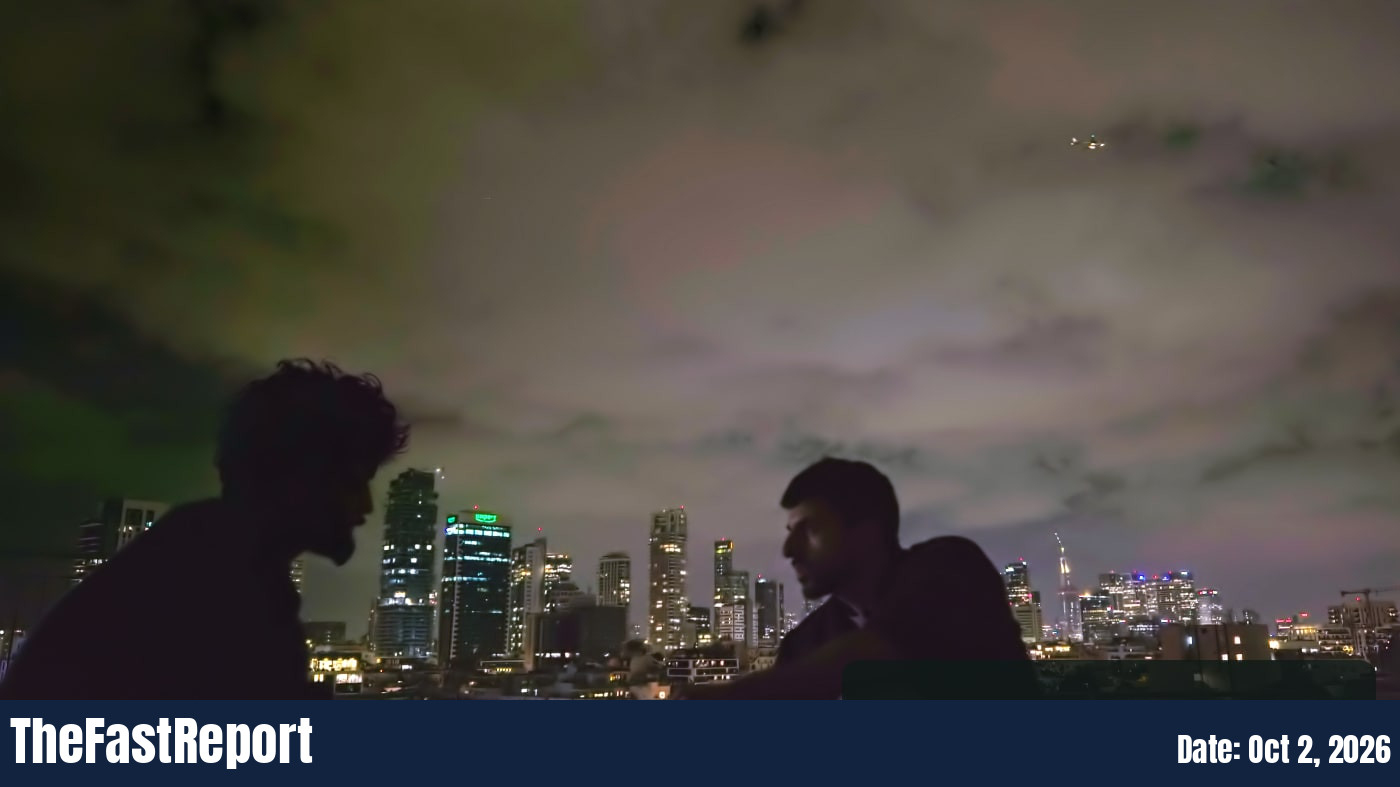
A powerful documentary titled NAZA explores the mechanisms of remote surveillance and mass civilian casualties during military operations. Directed by Israeli journalists Yuval Abraham and Rachel Szor, the film features interviews with 24 Israeli soldiers and intelligence personnel who spoke under conditions of strict anonymity, with their appearances and voices digitally altered. Filmed mostly at night on Tel Aviv rooftops, the documentary investigates how automated systems and targeting protocols shaped the scale of civilian deaths. The title comes from nezek agavi, a Hebrew acronym for collateral damage that denotes the estimated number of civilian casualties deemed acceptable by the military for a given strike. Interviewees explain that limits ranged from minor thresholds for lower-level targets to much higher figures for high-value objectives. The project details the logistics of tracking and executing strikes, including the hacking of mobile phones and the use of artificial intelligence in gathering intelligence. Soldiers describe operations targeting suspected operatives in family homes alongside wives and children. The documentary has drawn widespread international attention, offering a rare and controversial look inside the operational frameworks utilized during the conflict.
Source: npr.org