
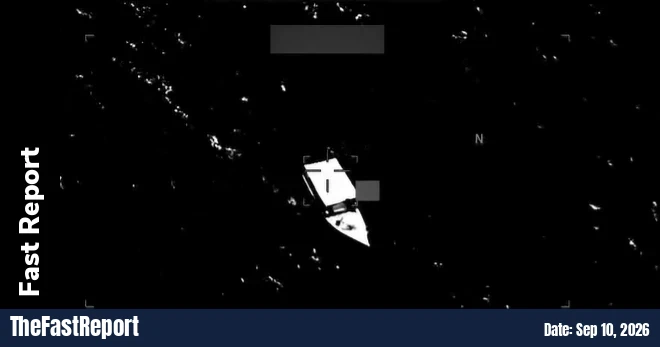
During a visit to Ecuador on Wednesday, U.S. Secretary of State Marco Rubio defended controversial military strikes against alleged drug-trafficking vessels, stating that Latin American cartels would otherwise consume these nations. Hours after his remarks, the U.S. military confirmed another fatal strike in the Caribbean Sea. Rubio praised a rising generation of conservative regional leaders allied with President Trump, noting that Washington had found willing partners to take aggressive action against criminal networks. Since President Trump took office again, the U.S. has targeted boats along known trafficking routes in the eastern Pacific and Caribbean. Pentagon data indicates these military actions have resulted in over 200 deaths. Human rights advocates, local fishermen, and family members have raised concerns about the campaign, claiming boats are targeted without adequate proof of cartel involvement, while experts question the impact on drug flows into the United States. Following discussions with Ecuadorian President Daniel Noboa in Quito, Rubio affirmed that the missions would persist. He described the cartels as a growing cancer that destroys the state if left unchecked. Recently, tactics have evolved to include joint U.S.-Ecuadorian patrols that remove crews before sinking ships, such as operations targeting vessels linked to the Ecuadorian gang Los Choneros. Rubio explained that operational choices are evaluated case by case based on location, local laws, and the specific threat level, confirming that ship destructions would continue. Later on Wednesday, U.S. Southern Command reported a lethal strike on a fast boat along Caribbean trafficking corridors, killing three individuals. Ecuador has experienced over 25,000 homicides in the last three years amid violent cartel conflicts. During his visit, Rubio designated the Ecuadorian gang Los Tiguerones as a terrorist organization and announced sanctions against seven former Ecuadorian officials. Rubio concluded his regional tour with a stop in Lima to meet Peruvian leaders after previously visiting Colombia.
Source: cbsnews.com