
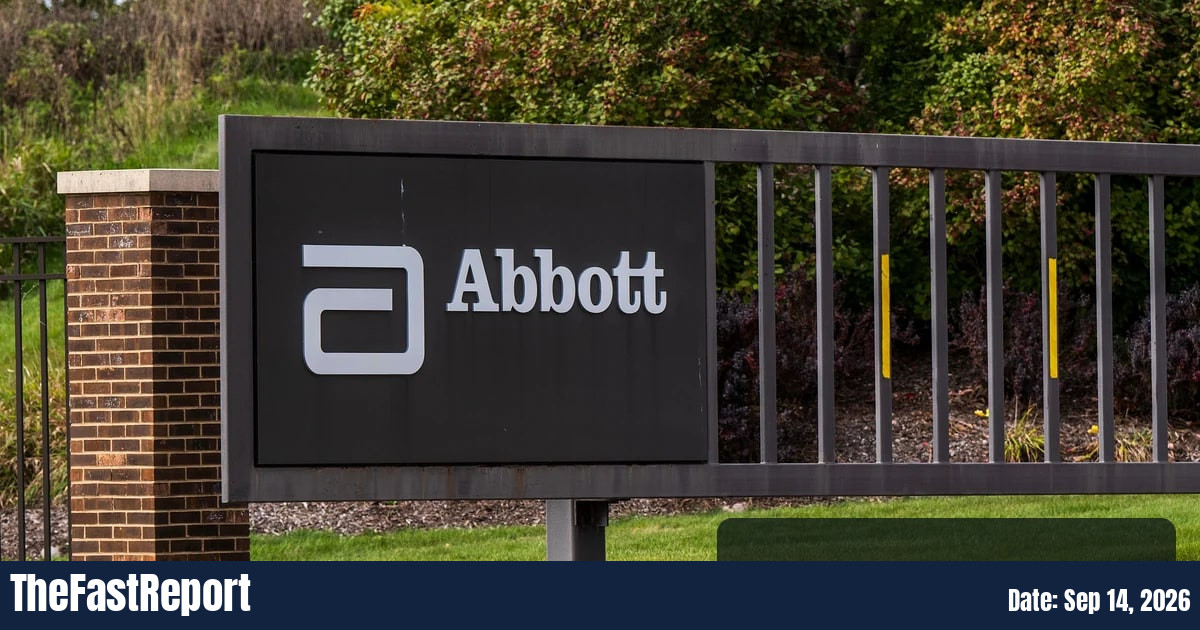
Baby formula manufacturer Abbott Laboratories has agreed to pay nearly $385 million to resolve a civil False Claims Act case with the Justice Department and several states. The settlement stems from a Cronobacter bacterial contamination issue at the company’s powdered baby formula plant in Michigan, the department announced on Monday. Earlier this year, the Justice Department ordered federal prosecutors to close a parallel criminal investigation into the matter. Federal prosecutors originally sought to pursue felony charges with the support of Tysen Duva, assistant attorney general of the Criminal Division, but senior leadership declined to let the case proceed. A senior DOJ official stated in February that a civil False Claims Act resolution offered the best mechanism to achieve accountability, deterrence, and public protection. The civil case alleged that Abbott caused government programs to purchase infant formula produced in an environment with unacceptable contamination risks, impacting product reliability, quality, and safety. Associate Attorney General Stanley Woodward stated that no company should gamble on infant health by allowing unsanitary conditions at manufacturing facilities. Abbott Laboratories maintained that the settlement does not represent any finding of fault or liability. The company noted that the government closed its criminal investigation and that regulatory tests of unopened formula from affected homes during the 2022 recall tested negative for Cronobacter sakazakii. This civil settlement follows a trend of softened or dismissed corporate cases under the federal Food, Drug and Cosmetic Act involving senior DOJ leadership. In July, California Senator Adam Schiff initiated a congressional inquiry regarding the closure of the criminal investigation into Abbott Labs, questioning enforcement priorities regarding risks to infants. In 2022, Abbott recalled popular powdered brands like Similac following infant illness reports linked to its Sturgis, Michigan facility. The Justice Department reported that the company failed to fix roof leaks permanently, intentionally avoided testing for bacterial growth to sidestep positive results, and withheld micro contamination test results from the FDA during 2019 and 2022 inspections.
Source: cbsnews.com