

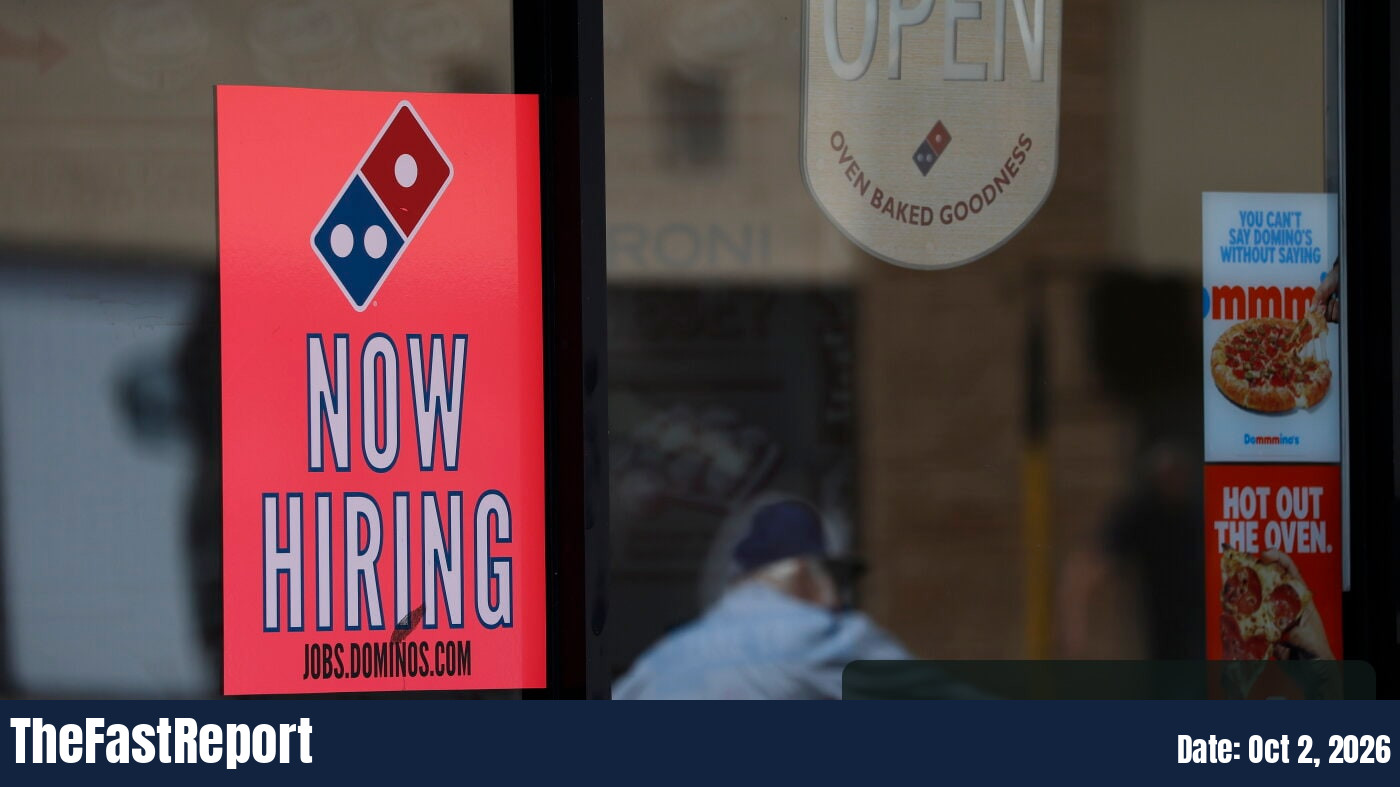
The United States job market exhibited signs of considerable strain in September, adding a mere 29,000 jobs while the unemployment rate ticked upward. According to a report released Friday by the Labor Department, the hiring gains fell significantly short of what economic forecasters had anticipated. Furthermore, employment gains for July and August experienced downward revisions totaling 60,000 positions, which ultimately pushed July’s total job figures into negative territory. While the September data does not point to widespread corporate layoffs, certain sectors like government and financial services did shed workers. Most other industries continued adding personnel, though at a notably sluggish pace. Even the health care sector, which has historically served as a reliable engine for job growth, managed to add only 17,000 positions over the month. Sarah House, senior economist at Wells Fargo, noted that while massive layoffs are absent, the environment poses severe challenges for new entrants or displaced workers due to minimal labor market turnover. Average wages rose by 3% in September compared to the previous year, marking a smaller annual gain than the prior month and lagging behind inflation. This dynamic continues to erode the real purchasing power of workers as consumer prices outpace paycheck growth. The lackluster employment figures followed a quarter-percentage-point interest rate increase by the Federal Reserve two weeks prior aimed at curbing inflation. This weak jobs report diminishes the probability of an immediate subsequent rate hike during the central bank’s upcoming policy meeting later in the month, prompting a modest rally across stock and bond markets. Despite this, investors continue to anticipate at least one more rate increase before the conclusion of the year. Concurrently, the national unemployment rate edged up from 4.1% in August to 4.2% in September. This marginal increase was largely driven by an influx of 485,000 individuals entering the workforce, causing the overall labor force participation rate among adults to rise by two-tenths of a percentage point.
Source: npr.org