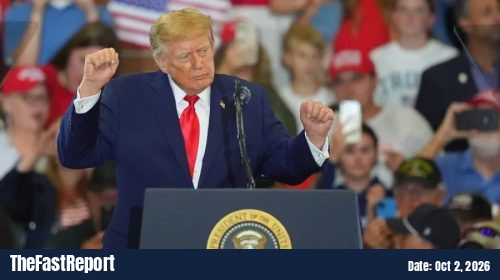

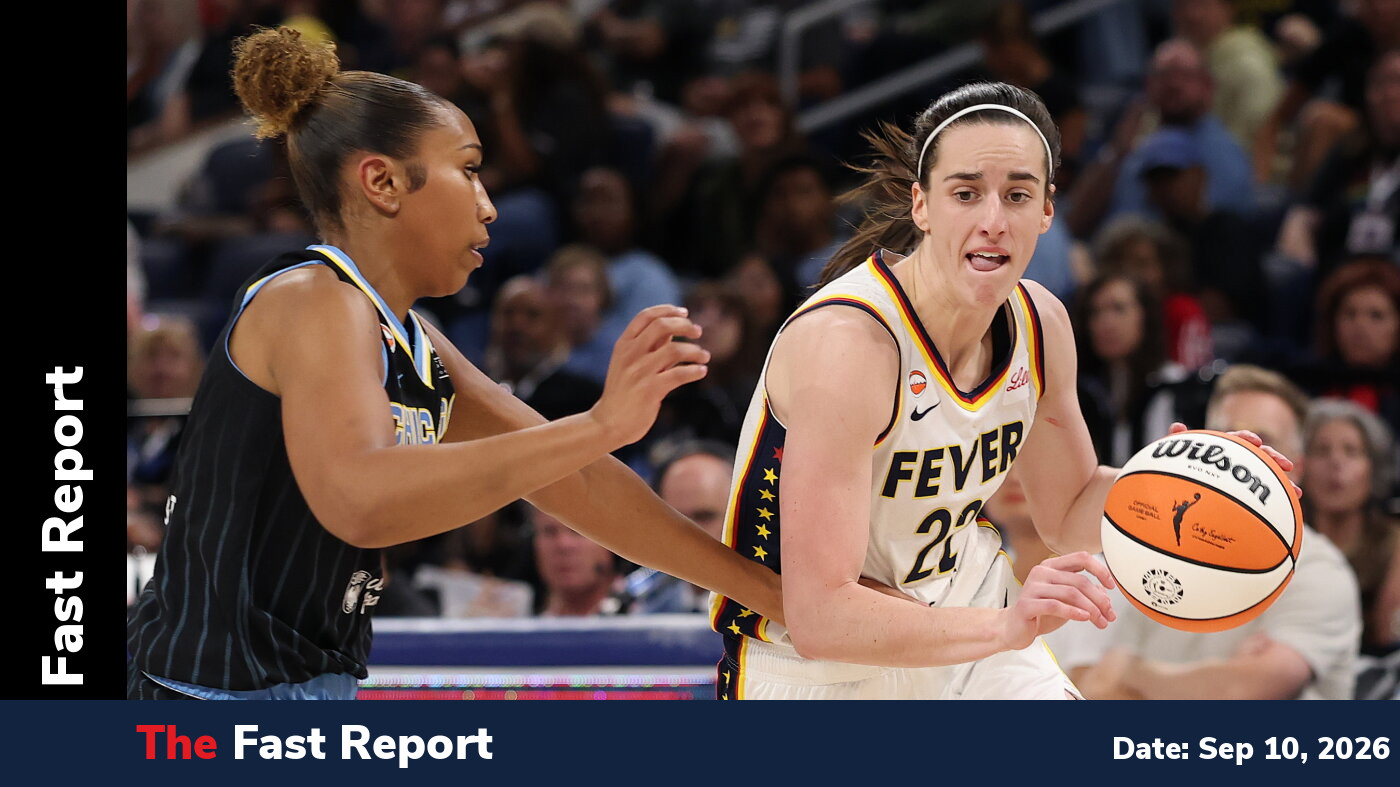
The Women’s National Basketball Association is experiencing a landmark year characterized by rising viewership, soaring team valuations, and a new $3.1 billion media rights agreement. Sabreena Merchant, a journalist covering the league for The Athletic, notes that while the talent and quality of play have never been better, the WNBA has also become entangled in broader culture wars and controversies. According to Media Matters, Fox News has broadcast at least 206 segments focusing on the WNBA since June 25, frequently stoking tensions surrounding race and transgender athletes. Merchant highlights that everything in the league is increasingly viewed through a political lens by individuals looking to exploit it as a political prop. In response to off-court security concerns, the Chicago Sky management has engaged national security experts to protect players. Meanwhile, WNBA Commissioner Cathy Engelbert announced plans to step down at the end of the calendar year. Merchant observes that the league lacks narrative control and that future leadership will need to better manage public perception and prevent the sport from being co-opted by political debates. Addressing debates over on-court physicality, Merchant points to an undercurrent of misogyny, noting that some critics object to women engaging in rigorous physical athletics. Regarding star player Caitlin Clark, Merchant describes her as the catalyst for a massive surge in league popularity since joining in 2024. While NBA Commissioner Adam Silver has publicly expressed concern over Clark’s treatment, perceptions persist online and among fans that she receives harsher physical play from Black opponents due to resentment over her media attention. However, data shows that Clark draws fouls and earns free throws at a higher rate than other guards, reflecting her high usage and heavy defensive attention. Historically, the WNBA has been built largely by Black women, providing a safe space for marginalized communities, including Black and LGBTQ+ women. The arrival of Clark, a straight white woman from middle America, brought in a new demographic of fans who may not share those identities. Concerning transgender athletes, Indiana Fever player Sophie Cunningham made headlines in July by stating in an ESPN profile that she does not believe trans women belong in girls’ sports, later doubling down on her remarks. Merchant notes that the WNBA has never had a transgender player or any active eligibility concerns regarding transgender women, leaving the league without an explicit policy beyond the collective bargaining agreement requirement that players must be women. On officiating, Merchant explains that players across all backgrounds universally agree that WNBA officiating lags behind the quality of play, partly because the league lacks full-time officials and loses top talent to the NBA. Finally, discussing player compensation, Merchant notes that prior to the collective bargaining agreement implemented during the 2026 offseason, average salaries were slightly over $100,000, forcing many players to compete overseas year-round to supplement their income. The new CBA raises average salaries to about $600,000 and includes a revenue-sharing component tied to league growth.
Source: npr.org