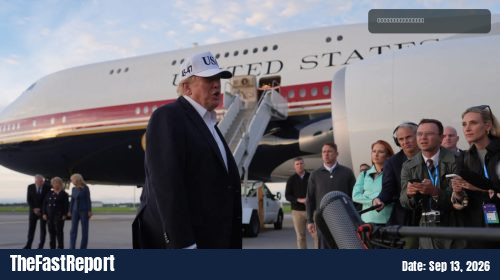

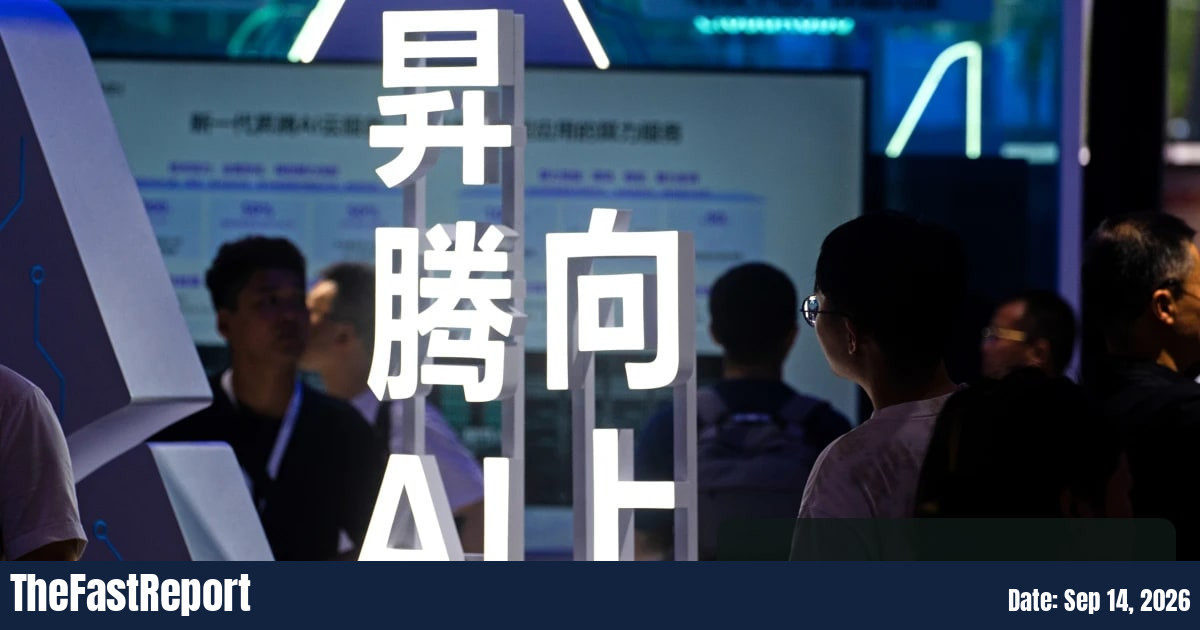
Beijing has dismissed urgent calls from U.S. tech leaders to slow down artificial intelligence development, labeling the warnings as fearmongering and part of a Cold War playbook designed to hinder China’s technological progress. The exchange follows an essay published Saturday by Anthropic CEO Dario Amodei, which was endorsed by OpenAI CEO Sam Altman and SpaceX founder Elon Musk. Amodei argued that companies should deliberately slow model improvements due to potential safety risks, while claiming that a Chinese AI lead would pose a grave danger to the world. He also urged the U.S. to restrict technology sales to China. Chinese foreign ministry spokesperson Guo Jiakun responded on Monday, stating that fearmongering, confrontation, and malicious competition disrupt global AI governance and serve no one’s interests. The state-run Global Times newspaper similarly criticized the slowdown proposal as containment provisions targeting China. Rapid advancements in AI have outpaced technical safeguards, fueling intense security concerns. However, the debate has exposed a deep divide between Beijing and Washington over cooperation. While Amodei likened the situation to a Cold War arms race and Altman highlighted the need for international coordination, U.S. President Donald Trump has also rebuffed the safety warnings. Trump stated that his primary focus is maintaining America’s lead over China in the artificial intelligence sector, criticizing negative forces for raising improbable scenarios. Meanwhile, Beijing has acknowledged security risks, with state security minister Chen Yixin calling for an accelerated system to prevent and control AI threats while identifying the technology as a track for strategic rivalry. The differing approaches are expected to be a central topic when President Xi Jinping and President Trump meet on Sept. 24 in Washington. The tension was further compounded after U.S. agencies issued an alert claiming Chinese companies systematically copied advanced U.S. models, an accusation Beijing firmly rejected. Experts note that deep mutual suspicion between the two superpowers makes de-escalation difficult. While a bilateral agreement to curb AI progress remains a long shot, analysts suggest both nations could independently pursue domestic regulations and safeguards to address growing public and political demands for accountability.
Source: nbcnews.com