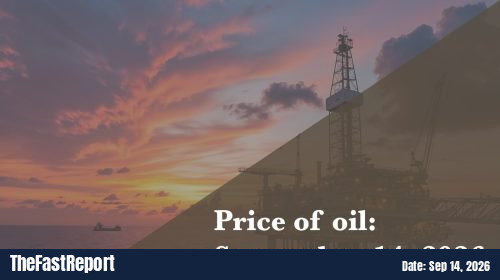

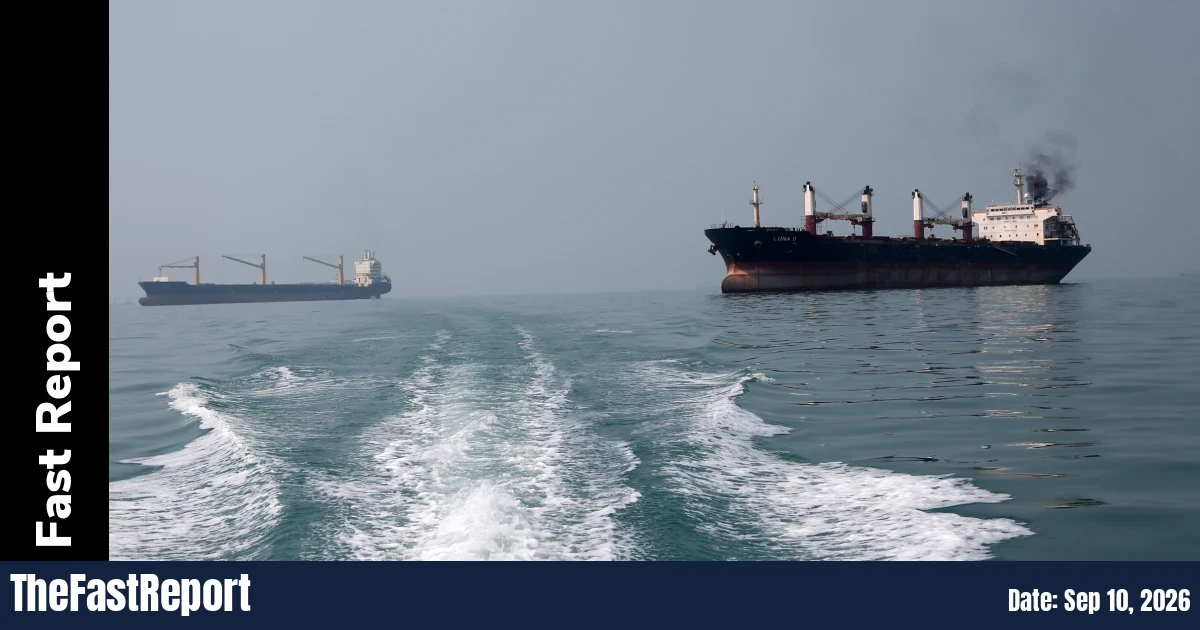
Oil prices climbed significantly on Thursday, with Brent crude exceeding $105 per barrel for the first time since May amid expectations of a prolonged U.S. conflict with Iran. U.S. crude also reached $100 per barrel, marking its highest point since mid-May. The surge was largely triggered by President Donald Trump’s statement on Wednesday that he is not seeking a deal with Iran and does not anticipate oil prices dropping until after the November midterm elections. Commodities analysts warn that Brent could potentially reach $120 to $150 per barrel if the standoff persists. Bloomberg News reported that Saudi Arabia informed OPEC its crude output dropped last month to its lowest level since 1990 due to renewed hostilities, though NBC News could not immediately verify the report. ING analysts noted that the market continues to price in persistent geopolitical risk in the Persian Gulf without a clear path to de-escalation. Consequently, the national average gas price increased by 5 cents overnight to $4.27, while diesel rose 3 cents to $5.97. Treasury bonds sold off and yields climbed, with the 10-year yield hitting 4.9%—its highest since 2023—and the 30-year yield reaching 3.34%, its highest since 2007. The climb in yields reflects renewed inflation fears driven by surging energy costs, alongside Trump’s pledge of a $5,000 rebate to U.S. adults if Republicans maintain control of Congress in November. The spike in oil and yields caused U.S. stocks to decline, with the S&P 500 falling 0.6%, the Nasdaq dropping 0.8%, and the Dow Jones Industrial Average losing 200 points. The Bureau of Economic Analysis reported that wholesale inflation rose 0.4% from June to July, bringing the annual Producer Price Index to 5.4%. Federal Reserve policymakers are monitoring these metrics ahead of next week’s policy meeting, where market odds for an interest rate hike rose to about 75%. Federal Reserve governor Christopher Waller stated last week that a rate hike would be considered if inflation comes in hot, while acknowledging uncertainty surrounding ongoing conflicts in Iran and Ukraine as well as trade wars. Meanwhile, the European Central Bank raised interest rates on Thursday due to inflationary pressures stemming from the Middle East and Ukraine conflicts, with ECB President Christine Lagarde noting that high inflation is expected to persist at least into the first half of 2027.
Source: nbcnews.com