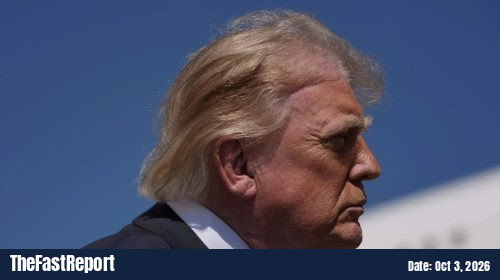

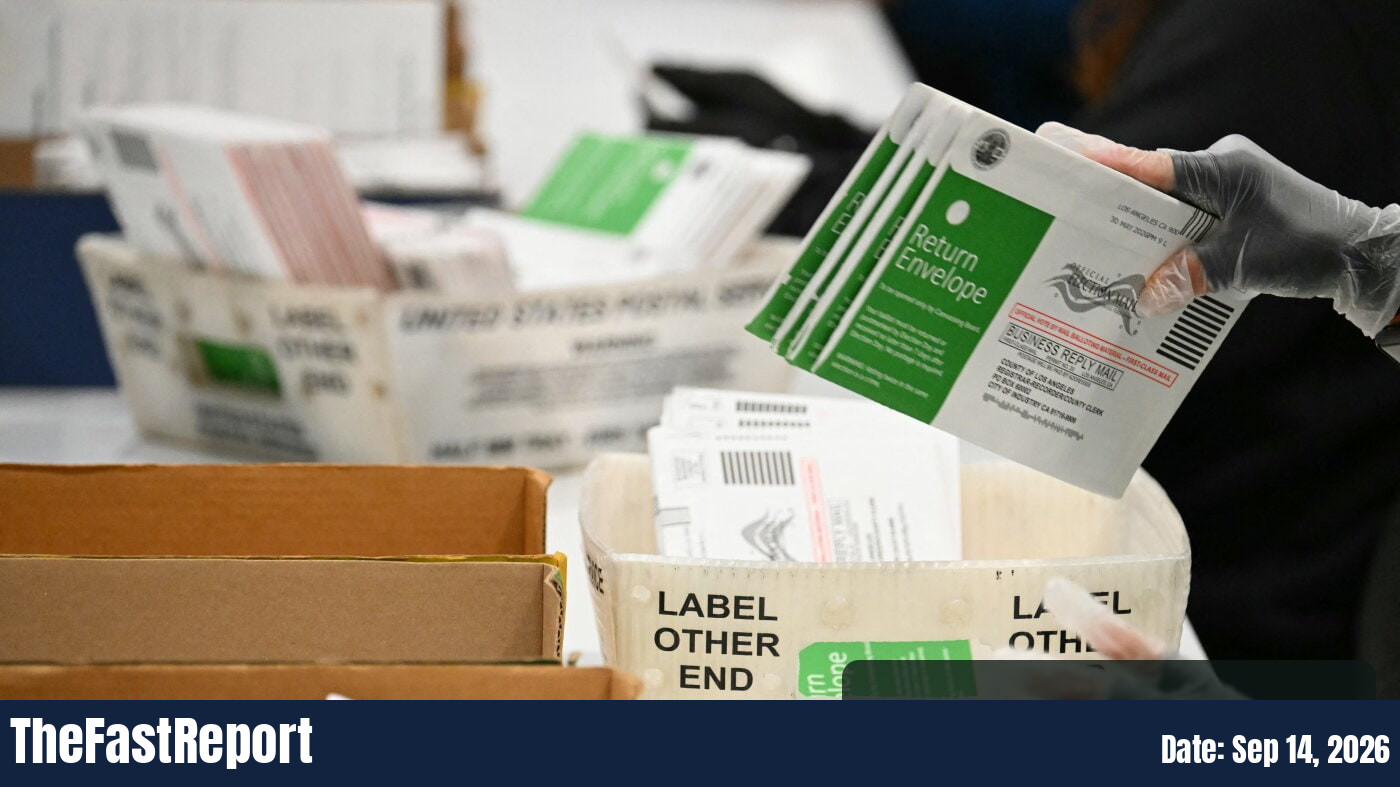
The U.S. Supreme Court has ruled against President Trump, rejecting his administration’s attempt to impose new mail-in voting restrictions for the midterm elections. The decision, released on Monday, ensures that the U.S. Postal Service will continue delivering ballots under standard procedures without the blocked requirements. Mail-in voting is already underway in several states, including Alabama, North Carolina, and Wisconsin, with other states preparing to follow shortly. Western states like Hawaii, Oregon, and Washington conduct their elections primarily or entirely through mail ballots. The contested USPS plan, which stemmed from an executive order by Trump, would have required states to submit voter name and address lists alongside specific barcode mandates on ballot envelopes to qualify for postal delivery. Earlier this month, a federal judge in Boston issued a preliminary injunction to halt the USPS plan, determining that the rules were likely unlawful because the Postal Service lacks the authority to regulate mail-in voting. A majority of the Supreme Court justices voted to maintain that injunction. Trump previously argued that the policy changes were necessary to prevent illegal voting by non-citizens, a concern frequently cited by the administration despite numerous studies and audits showing the practice is exceptionally rare. Government lawyers presented no evidence of mail-voting fraud during the legal proceedings. The former president has frequently criticized mail-in voting, a method utilized by approximately one-third of voters in recent federal elections. Data from an MIT Election Data and Science Lab national survey revealed that in 2024, a higher percentage of Democrats at 37 percent cast mail ballots compared to 24 percent of Republicans. In a social media post, Trump stated his intention to lead a movement to eliminate mail-in ballots entirely, asserting that elections cannot remain honest under such voting methods. Despite his public stance, Trump himself cast his ballot by mail in Florida this year.
Source: npr.org