

Germany’s political center is engaged in intense self-examination after recent elections boosted both the far right and the far left. Centrist lawmakers and party leaders are confronting a fractured party landscape, weaker coalition options and an economy many describe as struggling—conditions some observers say echo the instability that helped extremism grow in Germany’s past.
The developments have prompted debate across the political spectrum about strategy and identity: how the center should respond to the rising appeal of parties on the extremes, how to rebuild voter trust, and how to form stable governing coalitions in a fragmented parliament. Some centrists call for renewed emphasis on pragmatic policy and clearer communication; others warn that failure to adapt could further erode their influence.
Leaders and analysts are also drawing historical parallels, noting that political fragmentation and economic malaise have in other eras contributed to the rise of anti-democratic movements. That comparison has heightened the urgency of the conversation among Germany’s mainstream parties as they prepare for future electoral contests and coalition negotiations.
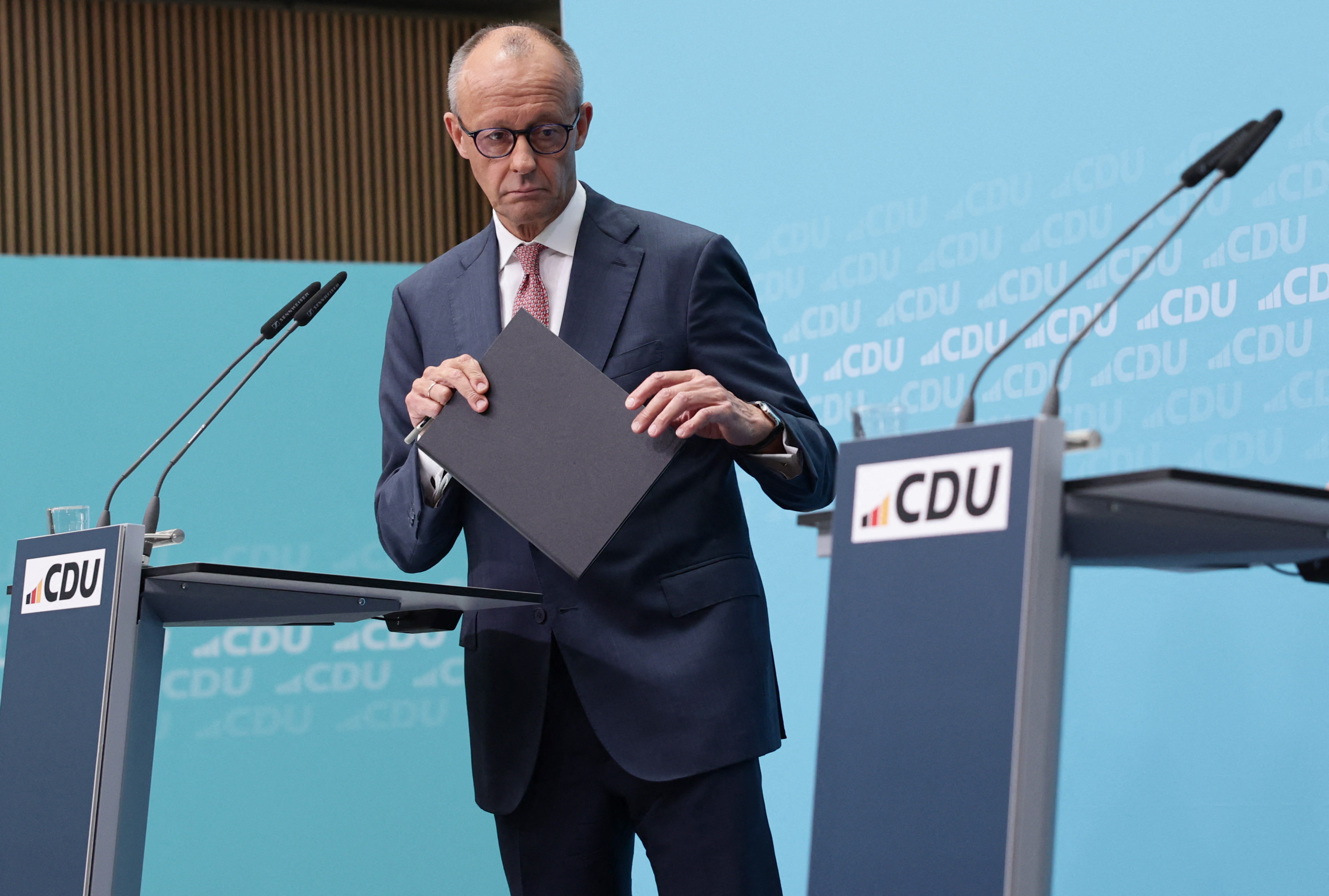
(Image credit: JENS SCHLUETER)
Source: npr.org