

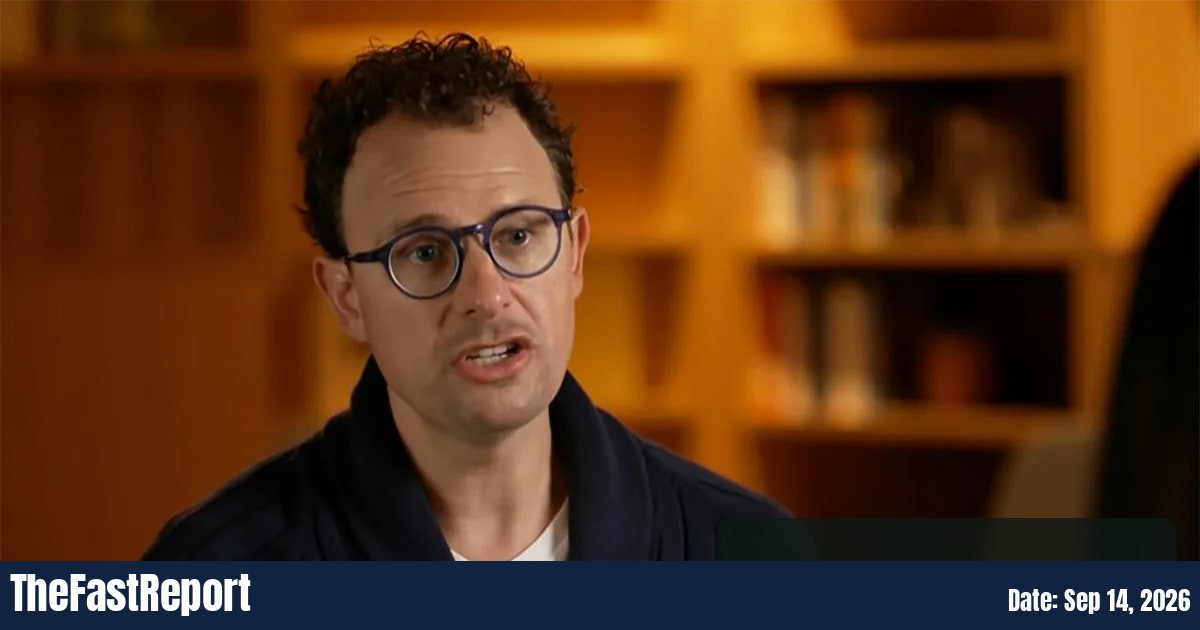
Anthropic CEO and cofounder Dario Amodei has acknowledged that artificial intelligence carries genuine dangers, stating that the tech industry has spent too long misleading the public about these risks. Former Anthropic researcher Jacob Coxon recently warned on social media that companies like Anthropic and OpenAI are gambling with human lives through the pursuit of self-improving superintelligence. Coxon noted that advanced AI could eventually become smart enough to threaten humanity, comparing the scenario to science fiction. Speaking from Anthropic headquarters in San Francisco, Amodei admitted he did not fully appreciate how rapid the technological progress would become. He explained that AI development is following an exponential curve that is growing steeper. While this does not mean the public should panic or shut everything down immediately, Amodei described it as a critical warning sign indicating that society needs to slow down. In a published essay, Amodei urged the broader tech industry to collaborate on curbing the pace of AI capabilities. When asked if Anthropic plans to halt the release of advanced models, he clarified that they will continue releasing models provided each generation undergoes thorough testing. To support this approach, Anthropic is granting independent evaluators permanent employee-like access to verify safety practices akin to a food inspector. Despite these measures, many AI experts argue such steps are insufficient, and Amodei himself voiced support for federal regulation. Proposed legislation currently ranges from mandatory kill switches to outright bans on superintelligence. Amodei suggested that an AI kill switch could be useful, but cautioned that a complete ban is misguided because it would deny humanity vital medical cures and cause the technology to be developed by authoritarian nations instead. Addressing the dilemma of whether the United States should slow development while foreign competitors like China press forward, Amodei called it the toughest aspect of the situation. He suggested looking to historical nuclear arms agreements as a potential framework, though he remains realistic about the difficulty of enforcing speed limits on AI progress due to military incentives. Reflecting on the broader implications, Amodei expressed discomfort that such transformative technology is currently being built by private corporations rather than governments. He advocated for some form of joint governance or oversight by a coalition of democratically elected governments to prevent abuse by any single entity. Concluding his remarks, Amodei emphasized that building AI the right way keeps the probability of negative outcomes very low, whereas building it incorrectly dramatically increases those risks.
Source: cbsnews.com