
Wall Street analysts expect a standoff this week between the Federal Reserve and the White House, with the Federal Open Market Committee (FOMC) meeting — concluding Wednesday — widely anticipated to result in a hike in the base rate. This outcome would run counter to what President Trump has pushed for: the White House has lobbied to an extreme degree for a loosening of financial conditions.
All eyes from the White House to Wall Street to the Fed will be on the bond market’s macroeconomic influence — and even the president has been cautioned about testing its patience.
The September FOMC meeting arrives at a moment when the Fed’s dual mandate of maximum employment and price stability may call for action. The latest jobs report beat expectations, while inflation remains stubbornly above the central bank’s 2% target.
Although the Fed could be urged to “look through” inflation driven by a supply-side shock in oil prices, doing so risks undermining the central bank’s credibility if it appears to be avoiding action.
After the June FOMC meeting, the bond market’s response was telling: longer-dated yields rose as investors absorbed a hawkish Fed narrative without immediate policy follow-through. Over time the central bank’s base rate and bond yields generally move together; if yields spike while interest rates stay flat, investors may be signaling risks policymakers have not yet addressed, whether in inflation expectations or economic stability.
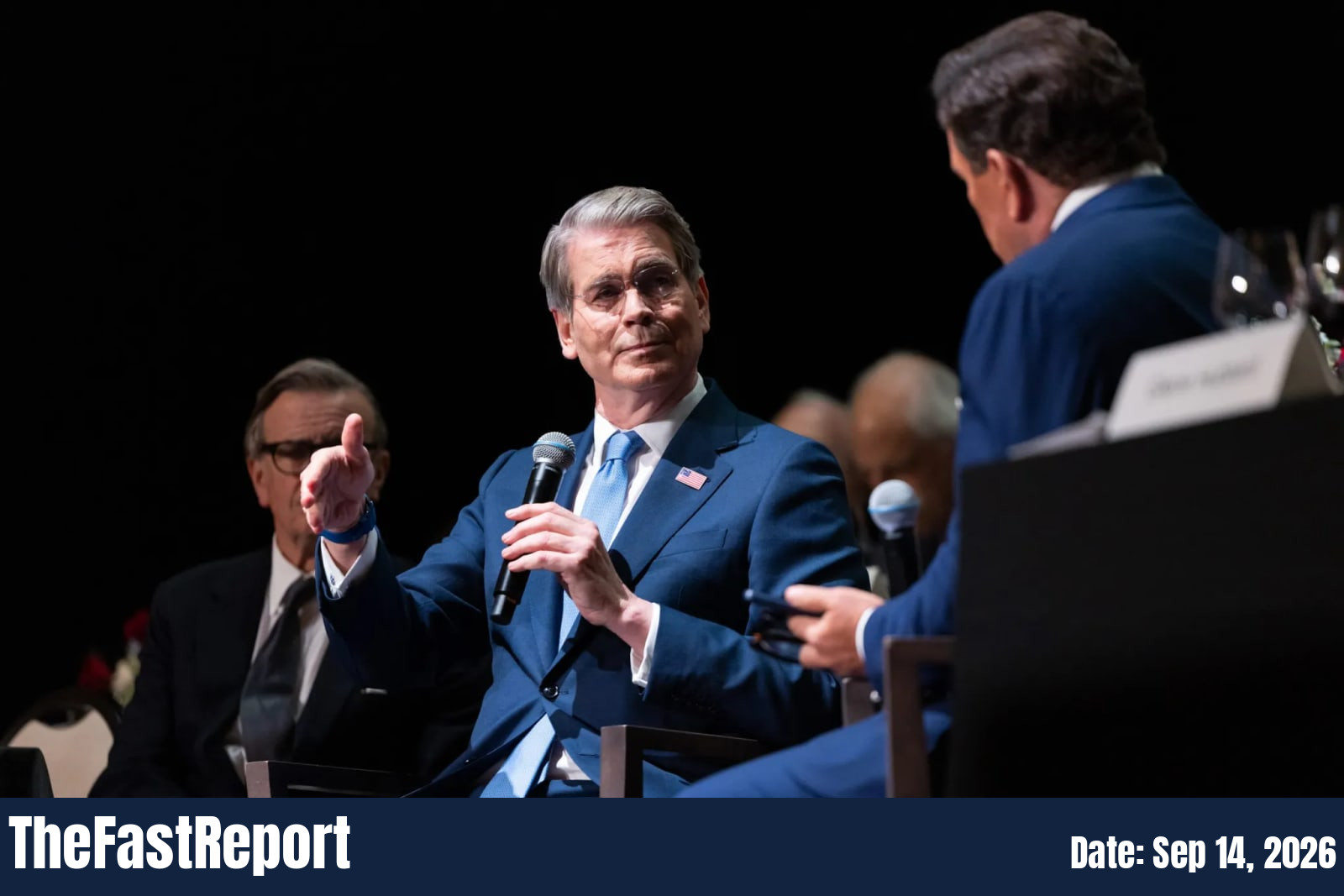
Treasury Secretary Scott Bessent has signaled that the White House is wary of pushing back too hard against the bond market, even if a hold or a hike in the base rate is politically unwelcome. Speaking at the Economic Club of New York in June, Bessent was asked whether Chairman Warsh was facing pressure from the executive branch to cut, despite data suggesting the opposite.
Bessent responded: “I am confident that the Fed chair will … optimize the path for both inflation and economic growth. The president said at Chair Warsh’s swearing-in [ceremony] that he would be independent, that he should do what he wants.”
“Look, the president understands—he and I have talked about it quite a bit—… the bond market has taken out more governments than howitzers. So I believe that he has complete confidence in the Fed chair to do the right thing.”
While the Fed is not obliged to follow the bond market, Bessent’s recognition of its clout gives the FOMC some operating space. Bessent also recently launched a multi-billion-dollar Treasury buyback scheme that briefly pushed yields lower to ensure greater market liquidity.
And while the Fed’s independence is legally protected and should not be dictated by politicians or investors, the experience of former Fed chair Jerome Powell’s final year illustrates how exposed the central bank can be when the White House seeks a different rate path. Early in Chairman Warsh’s tenure, the bond market could serve as a reminder to the administration about the risks of appearing to push the Fed too far.
Wall Street takes
Wall Street does not want to see a growing disconnect between the bond market’s influence and the actions of the world’s central bank.
As Ryan Sweet, chief global economist at Oxford Economics, noted Friday, “the bond market could be losing patience with central banks sitting on the sidelines, forcing them to act.” He added: “If a central bank remains on the sidelines while inflation is running hot or energy/supply shocks are pushing prices higher, the bond market could interpret this as policymakers accepting a higher path for inflation rather than acting to fight it, leading to higher long-term interest rates.”
UBS’s Paul Donovan gave a similar assessment in an audio note, saying that “if Warsh surprises financial markets, it risks reawakening accusations of being a ‘sock puppet’ and raising credibility questions which would require a risk premium in bond pricing. That would raise real borrowing costs for the government and private sector, with implications for investment and trend growth.”
This story was originally featured on Fortune.com.
Source: fortune.com