
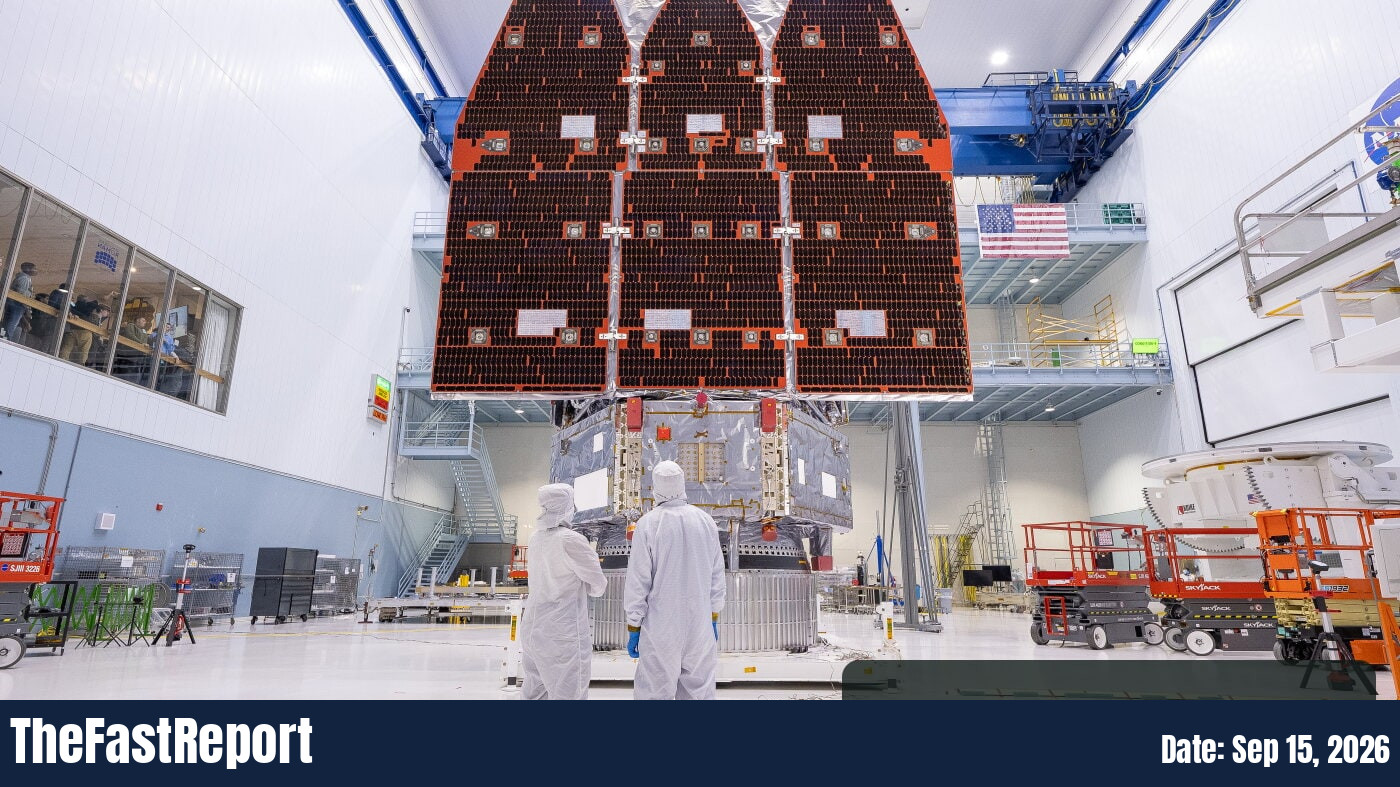
When NASA launched the Nancy Grace Roman Space Telescope from the Kennedy Space Center in Florida, engineers were anxious. The telescope is designed to collect more information than any predecessor about cosmic expansion and hidden planets. Fifteen years of preparation and $4 billion led to this moment. However, teams at NASA’s Goddard Space Flight Center in Greenbelt, Maryland, operated under tenuous conditions, forced by management to quickly vacate their labs multiple times since last November and as recently as a month before the launch. Management stated the moves aimed to reduce costs, eliminate redundancies, and avoid tens of millions in deferred maintenance across more than 80 facilities. Yet workers say the disruptions compromised missions. Propulsion engineers had to use less sensitive gear because higher-quality tools were lost in a prior move. A radio communication lab lost its $6 million antenna chamber and almost all its equipment, preventing proper testing of an antenna for Roman. One engineer reported launching the GRITSS satellite in July without being able to test its radio communications because of missing facilities. Another engineer working on the DAVINCI mission to Venus noted that delays occurred in August because specialized clean rooms and lab spaces had been dismantled without immediate replacements. While a June report from NASA’s Office of Inspector General indicated that moving teams had not hurt ongoing projects, internal emails and interviews reveal that equipment was sometimes auctioned, donated, or discarded improperly. More than 300 items from Goddard, originally costing about $5.4 million, appeared on the U.S. General Services Administration auction site. Some items, such as an unpolished aspheric test blank purchased for over $250,000, received bids as low as $300. Approximately a third of the auctioned items were restricted due to their importance to missile technology and national security. Additionally, radio communications equipment worth hundreds of thousands of dollars was donated to Capitol Technology University without the knowledge of the scientists who used it. These logistical hurdles follow significant workforce reductions. Goddard lost about a third of its employees in 2025, and internal survey results indicate that nearly 60% of Goddard engineers plan to leave soon. With a proposed 23% decrease in NASA’s 2027 budget, scientists warn that the agency’s capacity to produce future spacecraft has been severely hindered.
Source: npr.org