
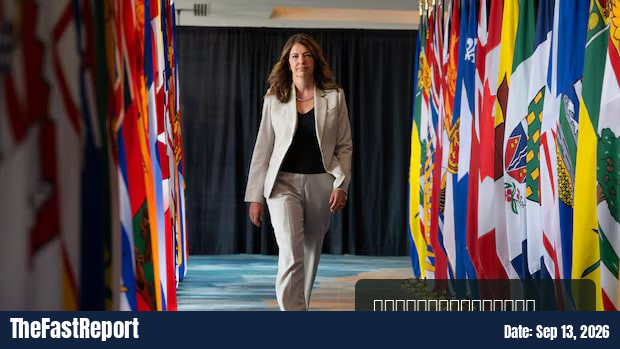
When referendum day arrives in Alberta on Oct. 19, voters will face four constitutional questions, including one focused on federal programs and provincial jurisdiction. The third question on the ballot asks residents if they support a government push to amend the Constitution to let provinces opt out of federal initiatives like pharmacare without forfeiting associated funding. The goal is to limit Ottawa’s constitutional spending power, which allows the federal government to transfer money to provinces with specific conditions attached. Geoffrey Sigalet, director of the UBC Research Group for Constitutional Law, noted that setting conditions on funding sent to other jurisdictions can function similarly to policymaking. Conversely, University of Toronto law professor David Schneiderman argued that the federal government only oversteps when it imposes programs, noting that provinces can simply refuse funding or work to erode conditions. This debate mirrors past constitutional efforts, such as the Meech Lake Accord in the 1980s, which attempted to let provinces opt out of shared-cost programs with reasonable compensation while establishing compatible initiatives. Alberta’s current referendum proposal does not explicitly mention a requirement for a comparable program. A ‘yes’ vote will not trigger immediate reform, as any constitutional amendment requires the approval of Parliament and at least seven provinces representing half of Canada’s population. Meanwhile, Alberta has previously stated plans to withdraw from the Canadian Dental Care Plan by 2026, though provincial officials continue discussions with Ottawa to secure funding. Fiona Clement, director of the Centre for Health Policy at the University of Calgary, suggested that while national coordination offers benefits like universality, the debate over how program money is allocated remains ongoing. On Oct. 19, Albertans will decide whether they want to push for control over federal dollars with no strings attached.
Source: cbc.ca