
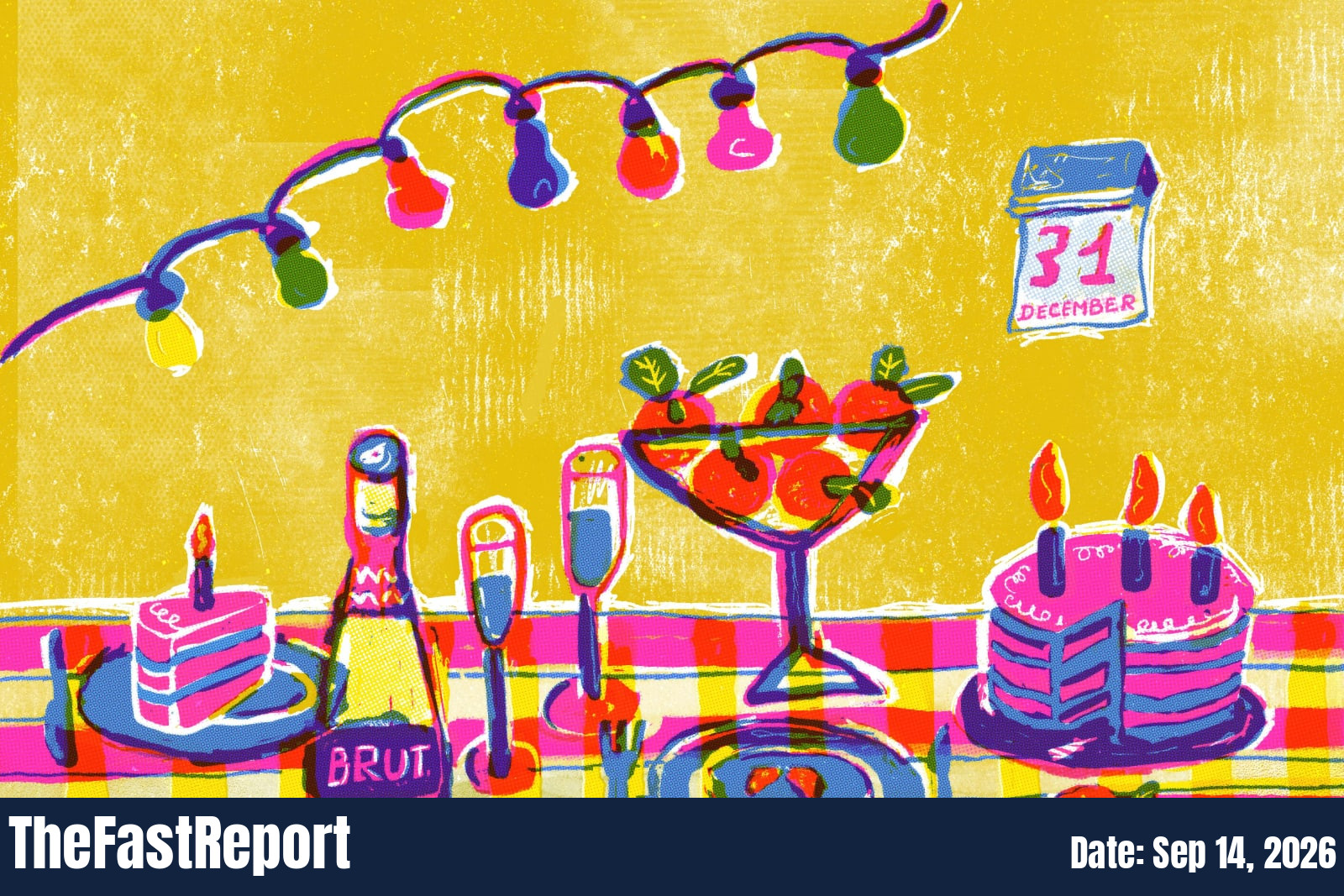

The weather forecast might still be shouting “summer,” but the calendar tells a different story: the holidays will arrive before you know it. What’s often presented as a merry season can feel overwhelming — the planning, the spending, the gatherings — especially for large families. It’s tempting to postpone those conversations until after Halloween, but delaying can make the season harder on everyone, and especially on the women who frequently carry the bulk of organizing work.
When one person stalls on committing to plans, it can keep others from booking flights or buying what they need. A late RSVP request in October can feel like a nuisance, but it may be adding to the mental load of whoever is trying to coordinate a Thanksgiving dinner for 20.
“There can be an enormous amount of invisible labor involved in making the holiday magic happen, and that labor falls disproportionately on women and caregivers,” Jamila E. Holcomb, a licensed marriage and family therapist and associate teaching professor at Florida State University, told Vox. “If one person is coordinating everyone’s flights, planning meals, buying gifts, arranging childcare, communicating schedules, and managing family conflict, this can cause significant stress. It also makes one person responsible for everyone else’s experience, which is an unequal division of labor.”
Beyond logistics, the drive to produce a “perfect” holiday has intensified in our hyper-visible culture: people may feel pressure to stage moments that are meaningful, memorable, and Instagram-worthy. Planning the holidays has itself become a form of labor. To make the season manageable for everyone — not just hosts or control-oriented family members — five experts shared tips on distributing tasks and actually enjoying the holidays.
Getting a head start on coordination now can reduce stress later. So even if year-end celebrations feel far away, the best time to begin planning is, unfortunately, right now. Here’s why early fall is the moment to start nudging the family chat about the holidays.
Planning early will save you money
Prices for many goods, from flights to groceries, have risen over the past year. Buying before the holiday rush can help you lock in better prices and plan your budget. While there’s no single date for the cheapest flights, travel expert Katy Nastro told Vox that travelers shouldn’t wait on the hope that fuel prices will drop. In general, Nastro suggested locking in domestic travel between three and seven months ahead of time and between four and 10 months before international flights. “If you can get everything set… by the end of September for Thanksgiving, you’re going to be in a better place than most people,” Nastro said.
Rental cars should also be reserved early. Unlike flights, you typically don’t pay immediately for a car rental, so you can cancel if plans change; nevertheless, inventory is limited. Nastro recommends using services that aggregate rental prices to compare options and hold a reservation.
Early fall is also a smart time to begin gift shopping, especially if you’re on a tight budget or coordinating a group present. Content creator and actor Rachel Ann Thomas and her eight siblings start brainstorming parents’ gifts in September or October each year. Holiday planner Lance “Mr. Christmas” Devereux tracked down everyone’s sizes and ordered matching Christmas pajamas well before November. The earlier you finalize a shopping list, the sooner you can hunt sales and make staggered purchases, avoiding last-minute express shipping costs.
You need time to create new traditions and to split the labor of creating them
The holidays are often rooted in nostalgia, and many families rely on longstanding rituals. If you’ve outgrown certain traditions or want to try something new, now is the time to decide what will feel meaningful, fun, and low-stress. Maybe that means changing the location of a celebration or opting for a vacation instead; the sooner you commit, the easier everything else becomes.
Holcomb advises asking loved ones now what they want the holiday to feel like, which traditions matter most, and what they actually have the capacity to do. You can also ask whether they’d like to add anything new this year, then map out how to share planning duties. “Our cultural expectations around the holidays can make it easy to confuse a ‘successful’ holiday with a highly productive one,” Holcomb said. “Making time to ask these questions is especially important because we can disrupt traditional relational patterns and roles that we have taken for granted as normal.”
Both Holcomb and Thomas endorse creating a shared calendar or spreadsheet to track logistics and divide responsibilities. In Thomas’s family it’s called the Thomas Christmas Itinerary; her mother starts it every September. “It basically lays out what the itinerary is for the whole Christmas time,” Thomas said. “What activities we’re doing, when we’re going over to grandparents’ houses, even down to what our dinner menus are.”
A shared spreadsheet also helps assign tasks so one person doesn’t end up managing everything at the last minute. Once the family agrees on a general plan, break it into specific duties and ask people to take ownership — for example, choosing a movie to take all the kids to see, buying snacks, and organizing transportation. “If you’re hosting, you don’t have to simultaneously be the chef, activities director, chauffeur, mediator, and person responsible for everyone’s enjoyment,” Holcomb said.
Advance planning allows for the downtime everyone craves
With a broader timeframe, you can intentionally build breaks into the holiday schedule. Events planned with intention, rather than obligation, let you spot calendar overload before it becomes unmanageable. “Another priority should be adding rest into the schedule before you need it,” Emily Barry, the senior vice president of holiday planning at online stationery and art marketplace Minted, told Vox. “Protect mornings or evenings when nothing is planned. Give yourself permission to stay inside instead of attending another event.”
“Don’t try to make the schedule perfect — make it meaningful,” Barry added. “Pick the one or two moments that are most important for everyone to be together, and build the rest of the holiday around those anchors.”
Slow planning over a month or two makes it easier to accommodate family members who traveled far, have young children, or are juggling multiple celebrations — and it encourages realistic thinking about what any one person can handle. “The goal is to spend meaningful time together, not create an itinerary that everyone has to execute perfectly,” Barry said.
Source: vox.com