
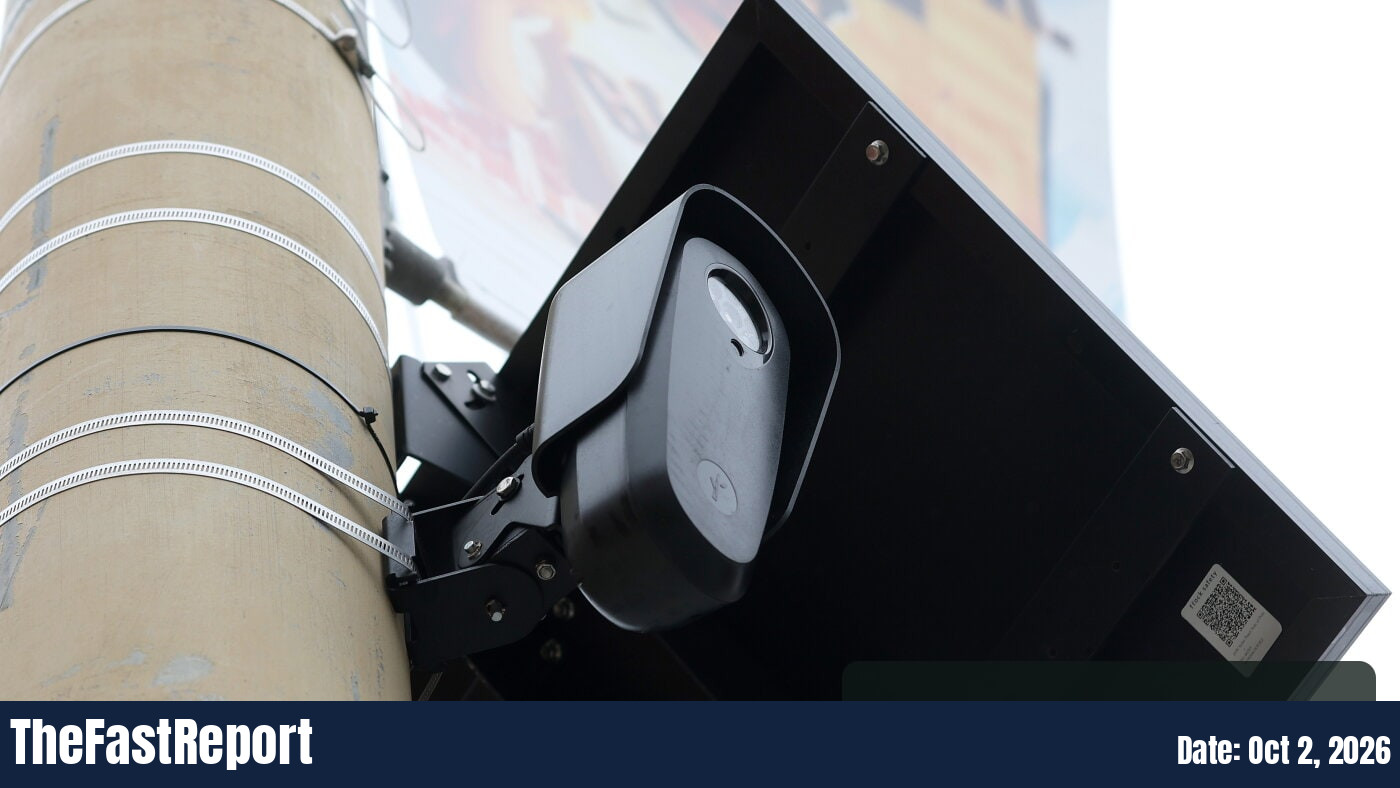
Car thefts in San Francisco have fallen by nearly 59%, while car break-ins have dropped by more than 82% when comparing January through August of 2026 with the same period in 2022. Local law enforcement leaders attribute a significant portion of this improvement to increased surveillance technology, specifically the controversial AI-powered automated license plate reader system manufactured by Flock Safety. As car crime declines, the city’s approach has sparked a national debate regarding the balance between effective crime-fighting strategies and the protection of constitutional privacy rights. While numerous cities nationwide have canceled or suspended their contracts with Flock following reports of data misuse and officer stalking incidents, San Francisco officials remain dedicated to utilizing the system. Instead of abandoning the technology, city leaders are actively working to implement stricter internal controls and establish criminal penalties for unauthorized data sharing or misuse. In July 2026, public polling indicated that the expanded use of surveillance technology continues to maintain strong popularity among San Francisco residents. Building on this momentum, Mayor Daniel Lurie announced tightened regulations for the city’s Flock deployment, including shortening the retention period for local license plate data on the platform to 30 days. Furthermore, District Attorney Brooke Jenkins is collaborating with California Assemblymember Matt Haney on state legislation aimed at criminalizing the knowing misuse or unauthorized dissemination of license plate reader information. This regulatory framework could serve as an influential model for municipalities across the United States seeking to leverage high-tech tools while addressing serious civil liberties concerns.
Source: npr.org