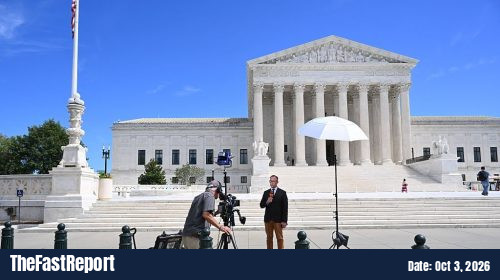

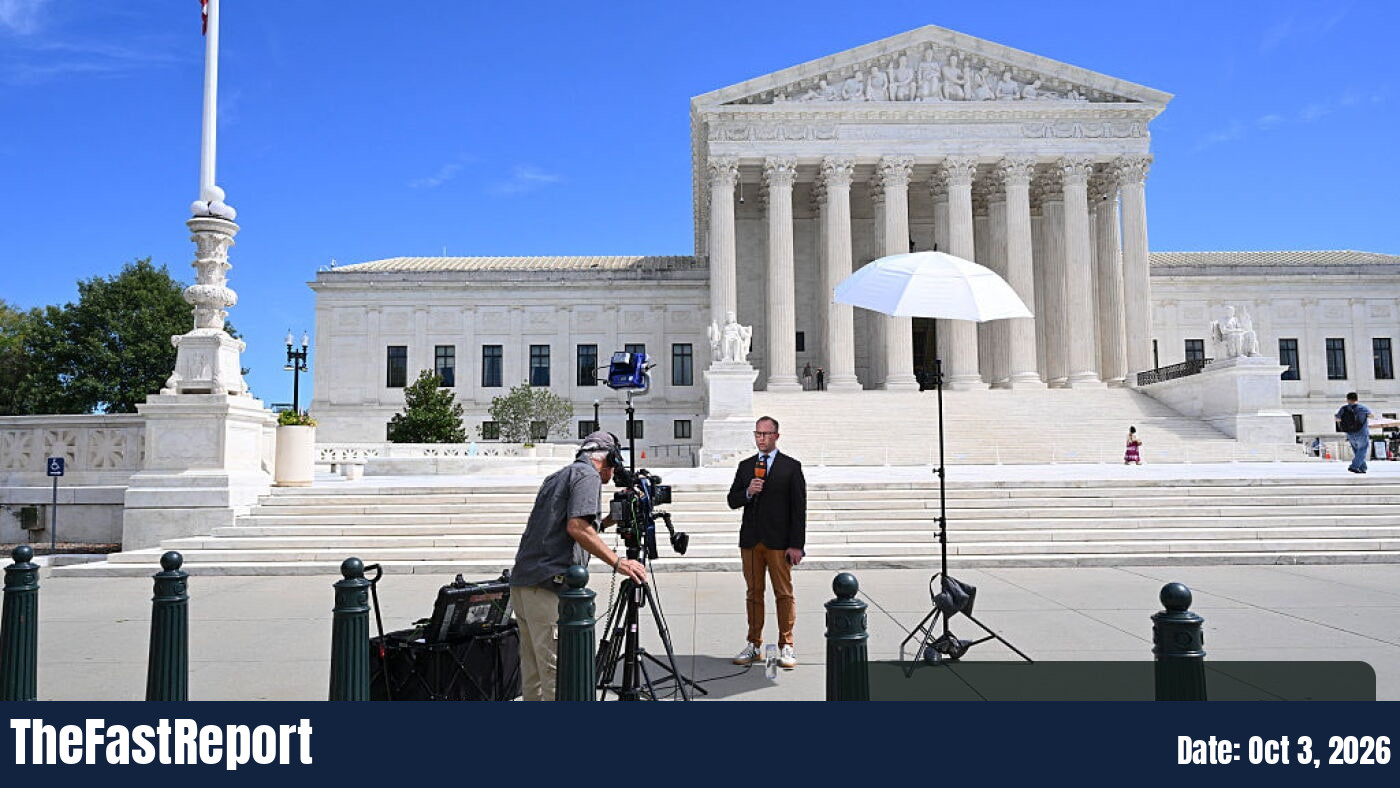
The U.S. Supreme Court formally opens a new term on Monday, taking on a packed docket of controversial cases concerning religion, semi-automatic weapons, climate change, and immigration, while looming election law disputes wait in the wings. While the first Monday in October still technically marks the start of the term, legal experts note that the traditional quiet summer months have largely disappeared due to a surge in emergency appeals.
Georgetown University law professor Stephen Vladeck observes that the number of emergency applications has ballooned, resulting in twice as many full court rulings on emergency matters as on the merits docket. These emergency decisions are typically rendered quickly with little briefing and no oral arguments, providing limited guidance to lower courts. Against this backdrop, the court is addressing several major merits cases.
The opening case tests whether state and local governments can sue energy companies for allegedly deceiving the public regarding the damaging impacts of fossil fuels. Most legal observers view the challenge as an uphill battle for environmental advocates. Another high-stakes dispute involves religion, as the court’s conservative majority considers a Colorado case testing whether a state universal pre-K program can exclude a Catholic parish that refuses to admit LGBTQ students or children with gay or trans parents due to religious beliefs. The state counters that funding the school would violate anti-discrimination laws, while church advocates maintain the policy infringes upon their free exercise of religion.
In December, the court will hear arguments on whether bans on semi-automatic weapons like the AR-15 violate the Second Amendment. The debate highlights the tension between the firearm’s rapid firing capability and the widespread ownership of millions of similar weapons across the country. Additionally, the justices will evaluate an immigration policy allowing the Department of Homeland Security to deport migrants to third countries when their nations of origin refuse to accept them, alongside a separate case regarding the detention of undocumented immigrants without bond hearings.
Additional controversies are expected to reach the justices soon, including challenges regarding the display of the Ten Commandments in public school classrooms and state regulations on prediction markets. Legal scholars also anticipate that election-related disputes could eventually arrive at the high court’s emergency docket as political tensions continue to unfold.
Source: npr.org