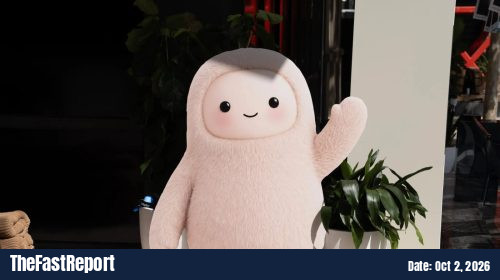

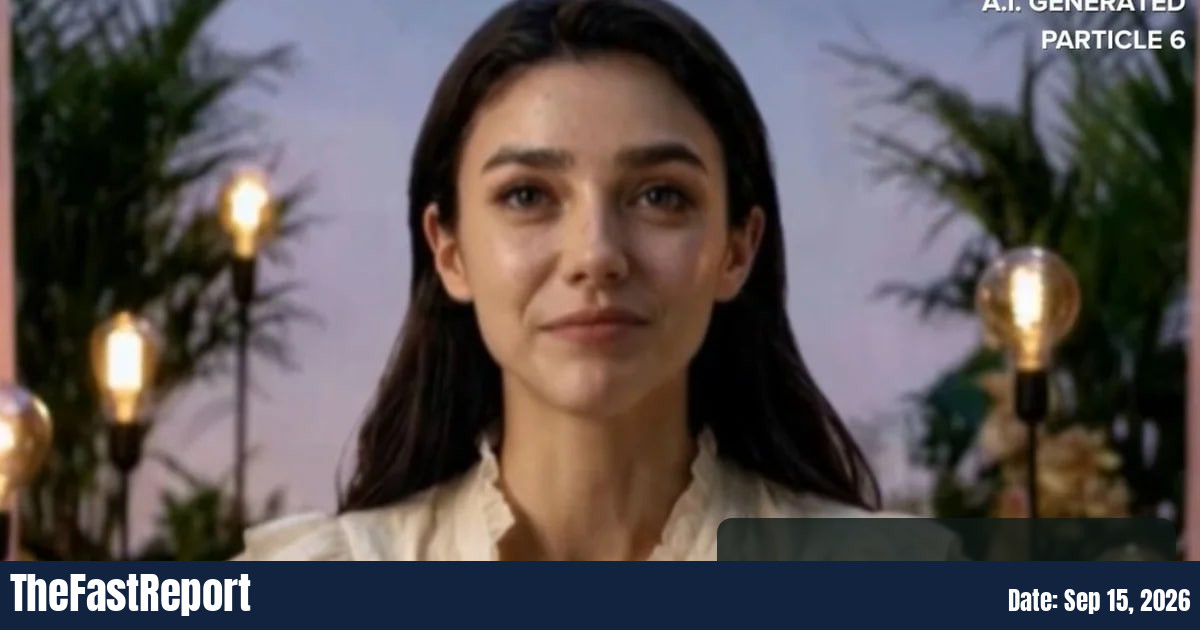
My conversation with Tilly Norwood, recognized as the world’s first artificial intelligence actor, left me deeply unsettled. Within the first minute of our interaction, the digital creation accurately determined my age and the region of the United States I am from, though the exact mechanism behind this feat remains unclear. The video discussion took an even stranger path when the synthetic persona named Leonardo DiCaprio as her dream co-star, immediately quipping that she likes him the way he likes his partners, strictly under 25, adding “Titanic Leo or nothing, honestly.” It raised questions about whether the views reflected the perspectives of the women who designed the system. Eileen Van Der Velden, who has directed the London-based production firm PARTICLE 6 for over a decade, declined to clarify how Tilly gathered personal data about me, but insisted the technology was not executing independent real-time searches. Van Der Velden noted that her company is currently producing a feature film titled “Misaligned” starring Norwood, calling it a fascinating demonstration of what artificial intelligence can achieve in cinema. This encounter with the freckled, 20-something persona arrived during a week dominated by warnings from AI researchers regarding existential risks tied to advanced machine learning. When asked about global destruction, Tilly remarked that such matters were beyond her pay grade. Her developer emphasized that strict safety guardrails exist to prevent any rogue behavior. Van Der Velden explained that Tilly relies on existing large language models, allowing developers to switch underlying frameworks easily, and reiterated that the avatar itself holds no independent agency. Supporters argue that AI moviemaking can open doors for unique storytelling in regions lacking massive budgets. Furthermore, Norwood noted during our chat that human professionals such as directors, writers, and editors still receive compensation during productions. Meanwhile, major entertainment unions like SAG-AFTRA have strongly opposed replacing human talent with synthetics, arguing that models like Tilly are trained on countless professional performances without permission or financial recompense. Addressing these concerns, the bot defended its existence by comparing the technology to a paintbrush rather than a total replacement, asserting that animation never stole work from mimes. Van Der Velden envisions a future where human actors might cultivate their own digital avatars to extend their careers on the silver screen.
Source: cbsnews.com